I know, I know - I'm always going on about limiting your palette to five colours. It's a design rule for a reason: simplicity makes consistency easier, and consistency makes your brand stronger.
But what if you read that and roll your eyes, thinking "I'm creative, I want more freedom!"
Good news - you can have it. You just need a system.
This came to mind while working on a brand recently. I'd landed on a beautiful black background - sophisticated, cool - but something nagged at me. My client was colourful and vibrant, and I knew they'd get bored creating content within something so stark. The main brand colours were ones they loved, but it wasn't going to be enough.
And yes - this is what design actually looks like. It's not me wafting in with a crayon, drawing something perfect, and sitting back to admire it. It's panic, second-guessing, re-reading the questionnaire, missing something, starting again. A constant swirl of information and ideas.
So I came up with a system: deeper background colours, lighter versions, and accent colours tied to specific content topics. They loved it - and more importantly, it worked.
Here's how to build something similar for your own brand:
Start by gathering every colour you want to use - dump them all on a Canva board with zero judgement. Go wild.
Now from that collection, choose a light colour for backgrounds and as a text colour on dark backgrounds, then choose a dark colour for backgrounds and as a text colour on light ones. That's your foundation. Add one more dark tone and two lighter shades and you have your core palette of five.
Next, think about the types of content you post - tips, blog links, freebies, personal updates, behind-the-scenes, offers, whatever is relevant to you. Now give every colour a job.
A quick example to bring it to life:
Say your core five colours are Deep Olive, Warm Taupe, Soft White, Charcoal, and Terracotta. Those five do the heavy lifting across everything you create - but each one has a role, and layered around them are a handful of supporting tones that give you breathing room without chaos.
Here's how that might look in practice:
Tips and advice posts use a Light Warm Beige or Soft White background with Deep Olive as the accent. Olive reads as practical, grounded, and trustworthy - exactly the feeling you want when you're sharing something useful. (Visual example here)
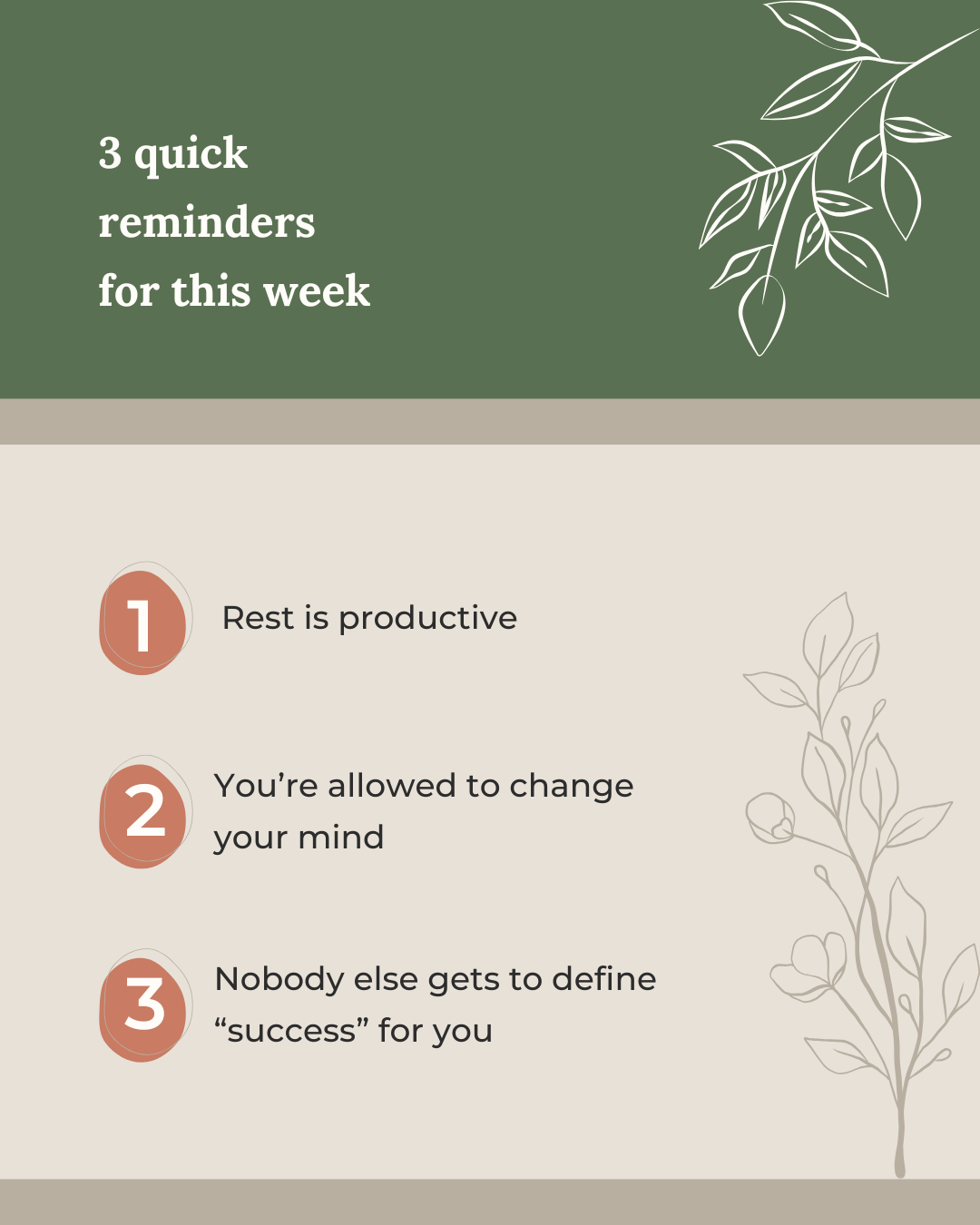
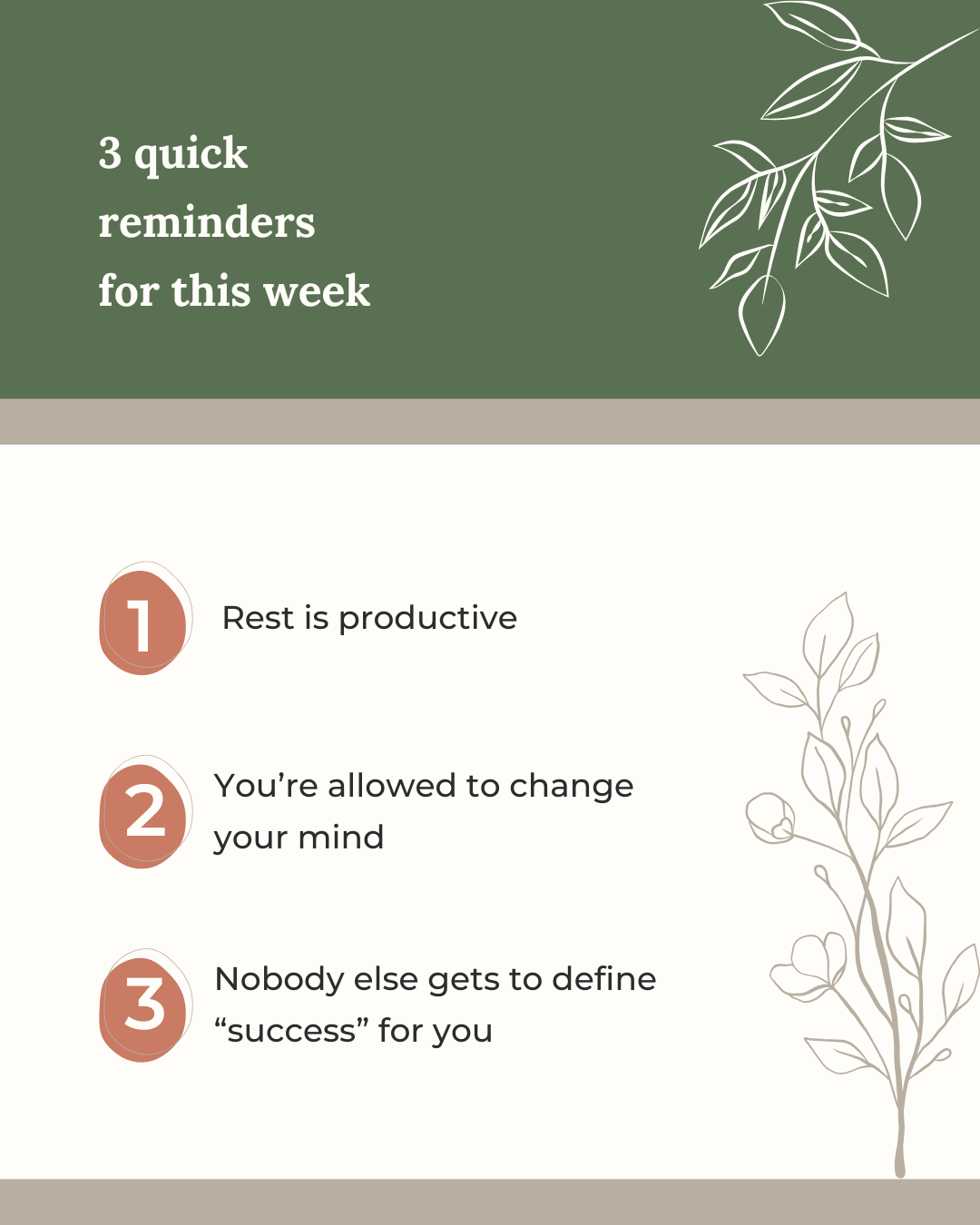
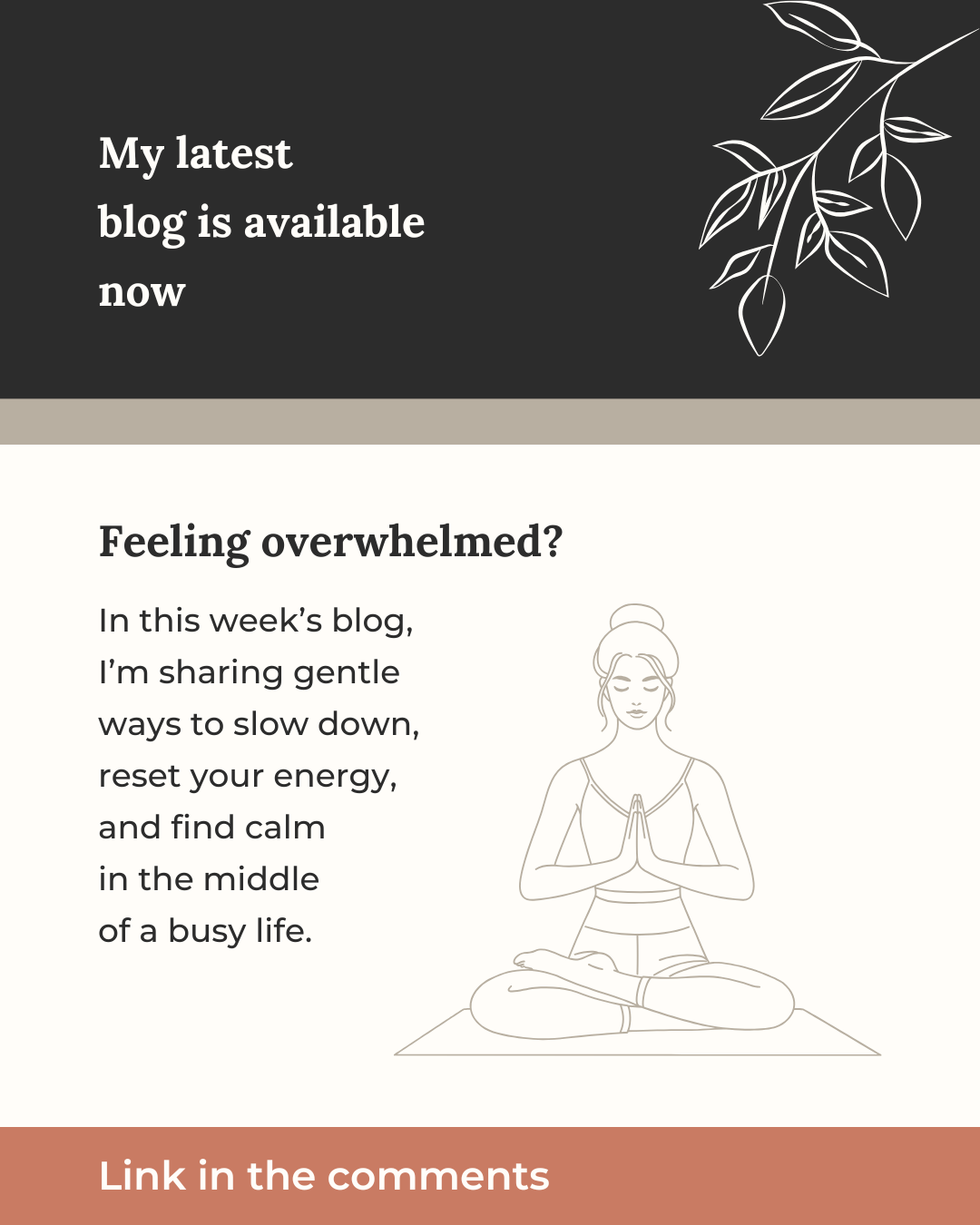
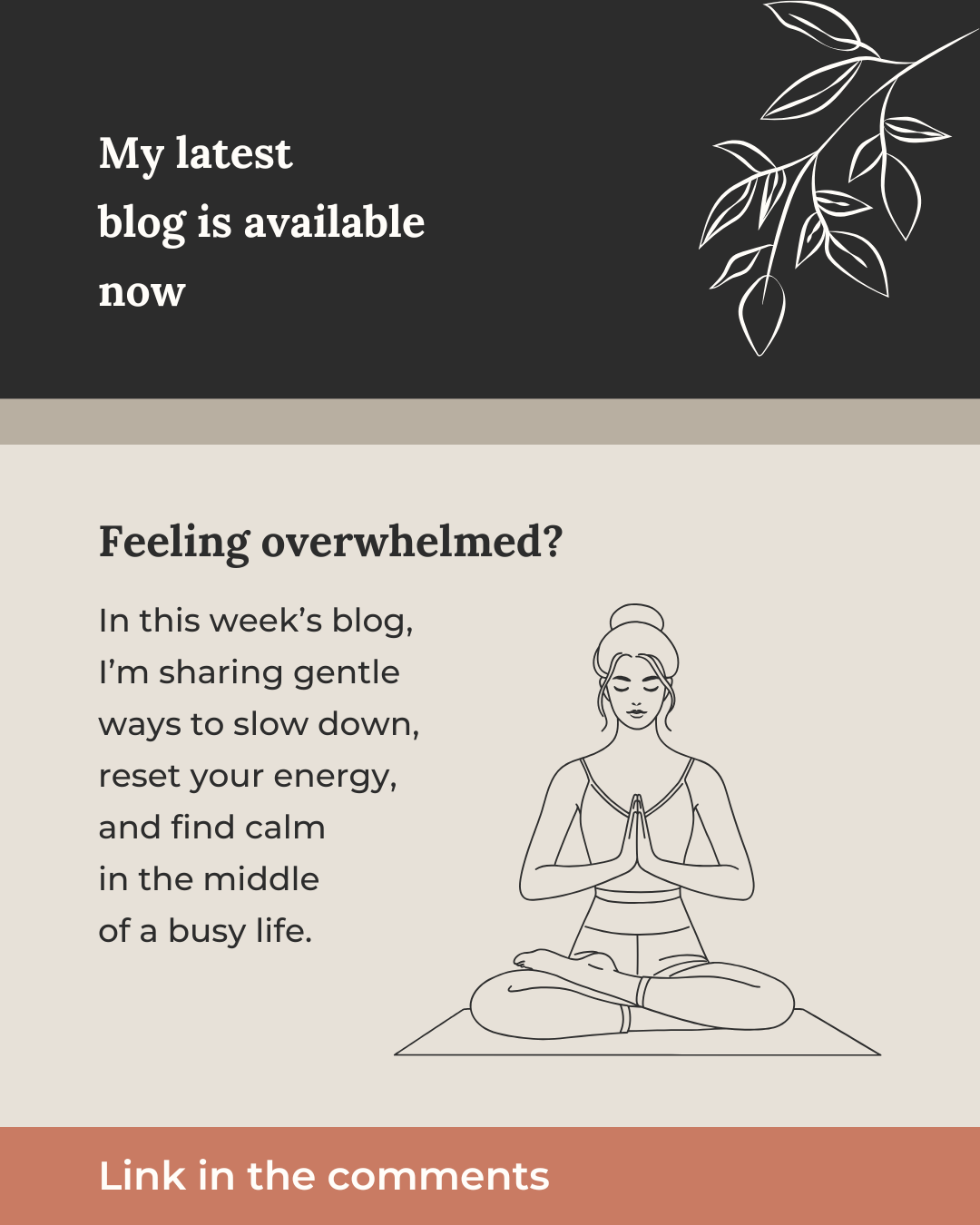
Blog links and educational content lean into Charcoal as the accent, on a Soft White or Warm Taupe background. It feels editorial and considered - like something worth stopping to read.
Freebies and resources get Soft Sage as their accent, either on a clean Soft White background or flipped to a deep olive background with white text for something with a bit more presence. It signals value quietly - no need to shout "FREE!!" in bright yellow.
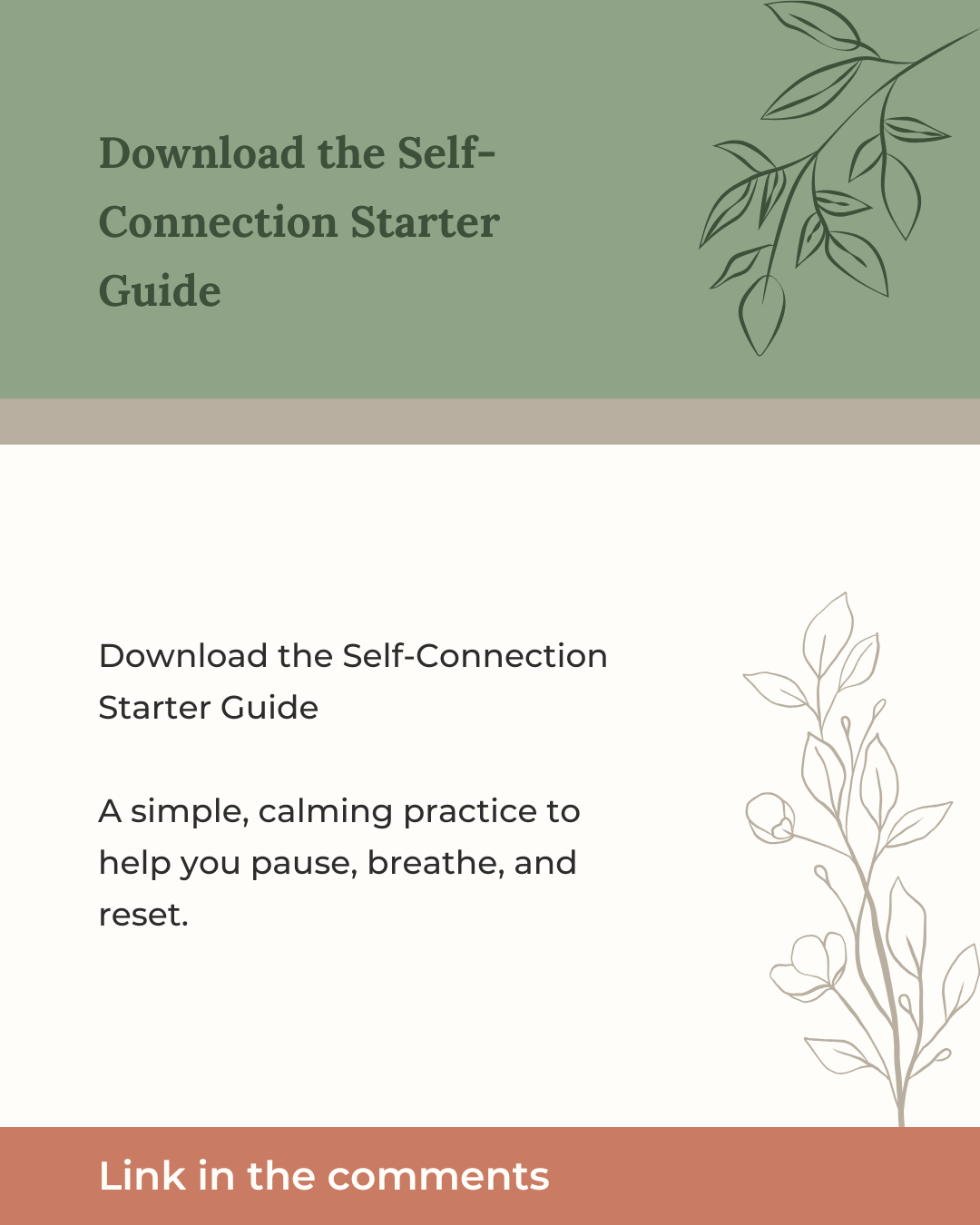
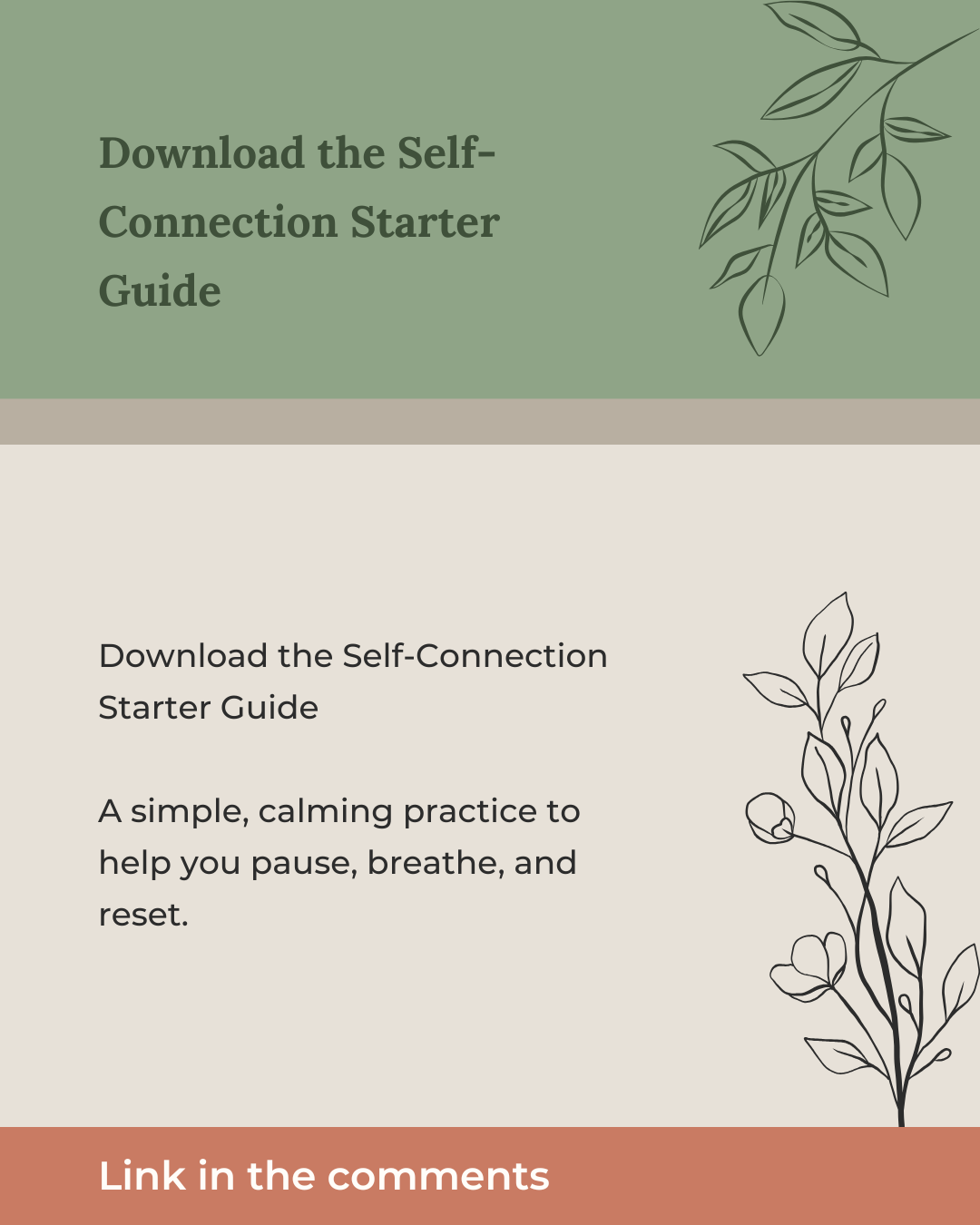
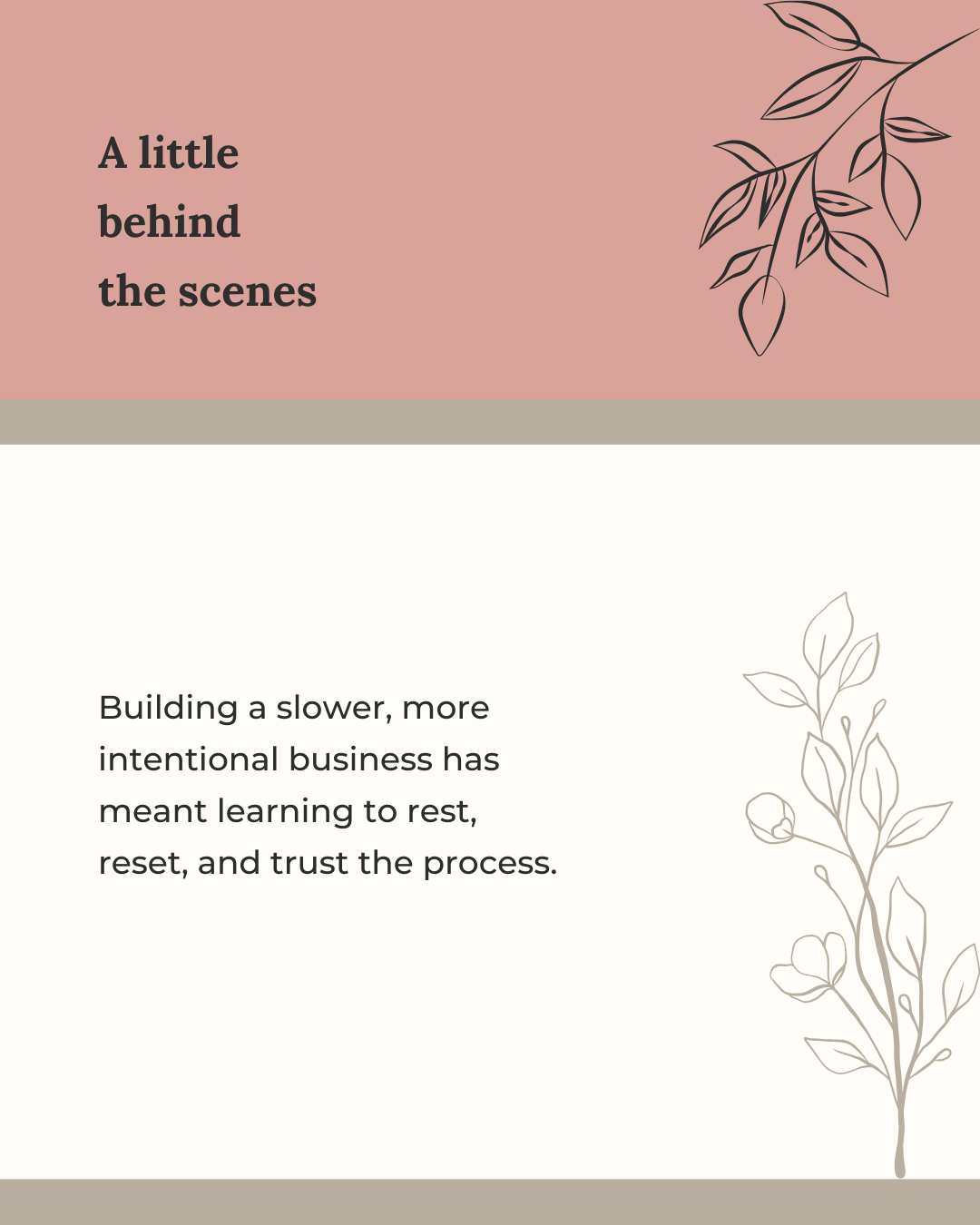
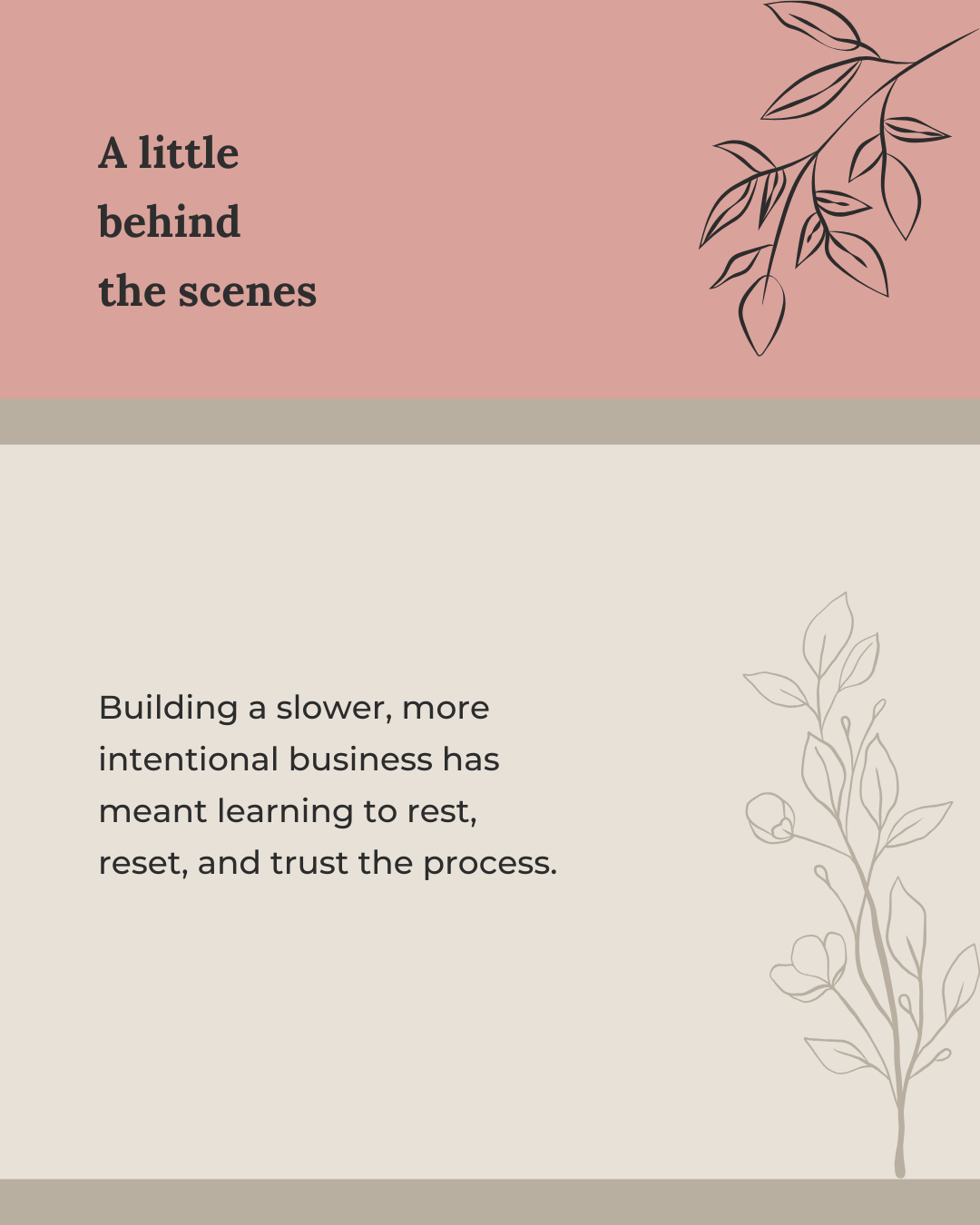
Personal and behind-the-scenes content uses Dusty Rose as a soft accent on Soft White or Light Warm Beige. It's warm and approachable - it shifts the tone just enough to feel like a different kind of post without breaking away from the brand entirely.
Offers and launches are where Terracotta earns its place as your action colour. On a light Soft White background or a deep Charcoal background, it commands attention without needing to be neon or shouty. This is the colour people will start to associate with "something is happening here - pay attention."
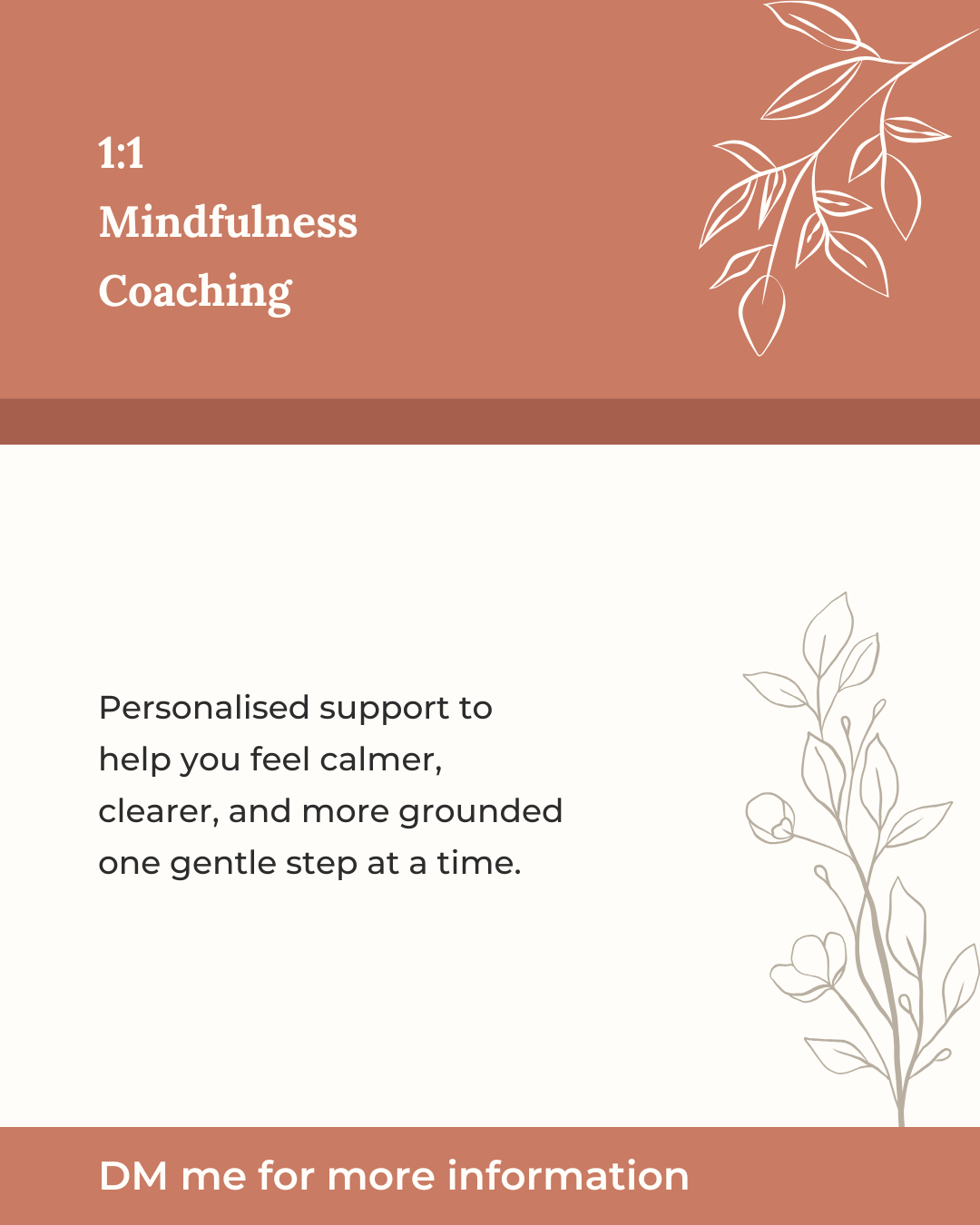
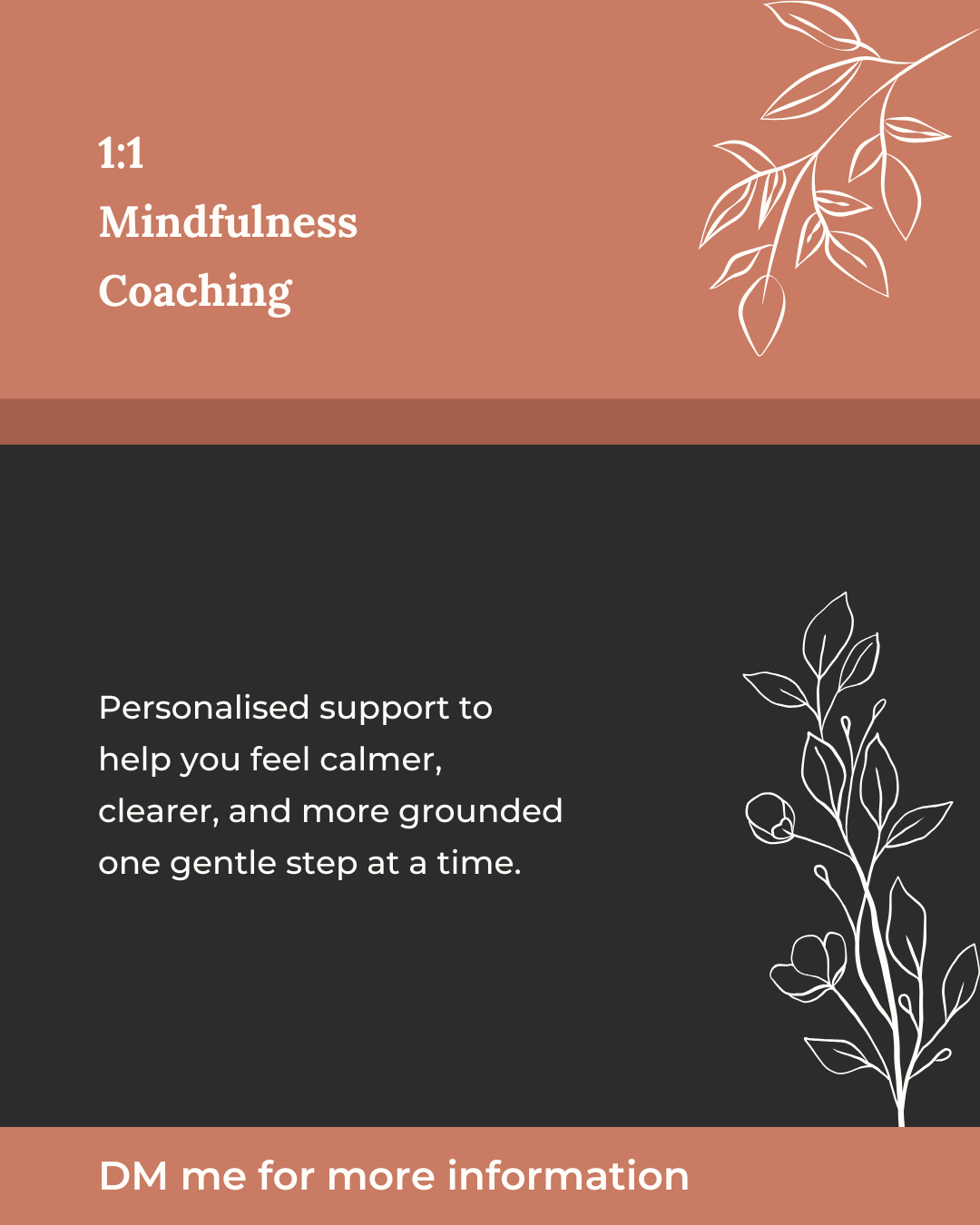
This is where it gets really clever.
Human brains love colour association. After a few weeks of consistency, your audience starts to recognise these combinations without realising it. Someone scrolling past a Dusty Rose post might not consciously register it - but their brain has quietly filed it away as "that's their personal stuff, always worth a look." When they spot the Terracotta, something clicks: this is the one to act on.
That habit builds quietly in the background, and before long your audience is engaging with your content more instinctively - without either of you quite knowing why.
The golden rule throughout all of this: check your colour accessibility. Dark backgrounds need light text and vice versa. Canva has a built-in accessibility checker - use it before you settle on anything.
So yes, you can absolutely use more than five colours. Start with a strong backbone of five, build a system around where and how you use the rest, write it down, and stick with it. A little structure in the background gives you all the creative freedom you want at the front.
And most importantly - make it a brand you like. You're going to look at it every single day. It should make you happy.
If you'd like a head start with colour and font combinations, I've added a new resources section to my website, with a free Canva template to get you started and a little guidance on using your fonts and colours. Find out more here.